
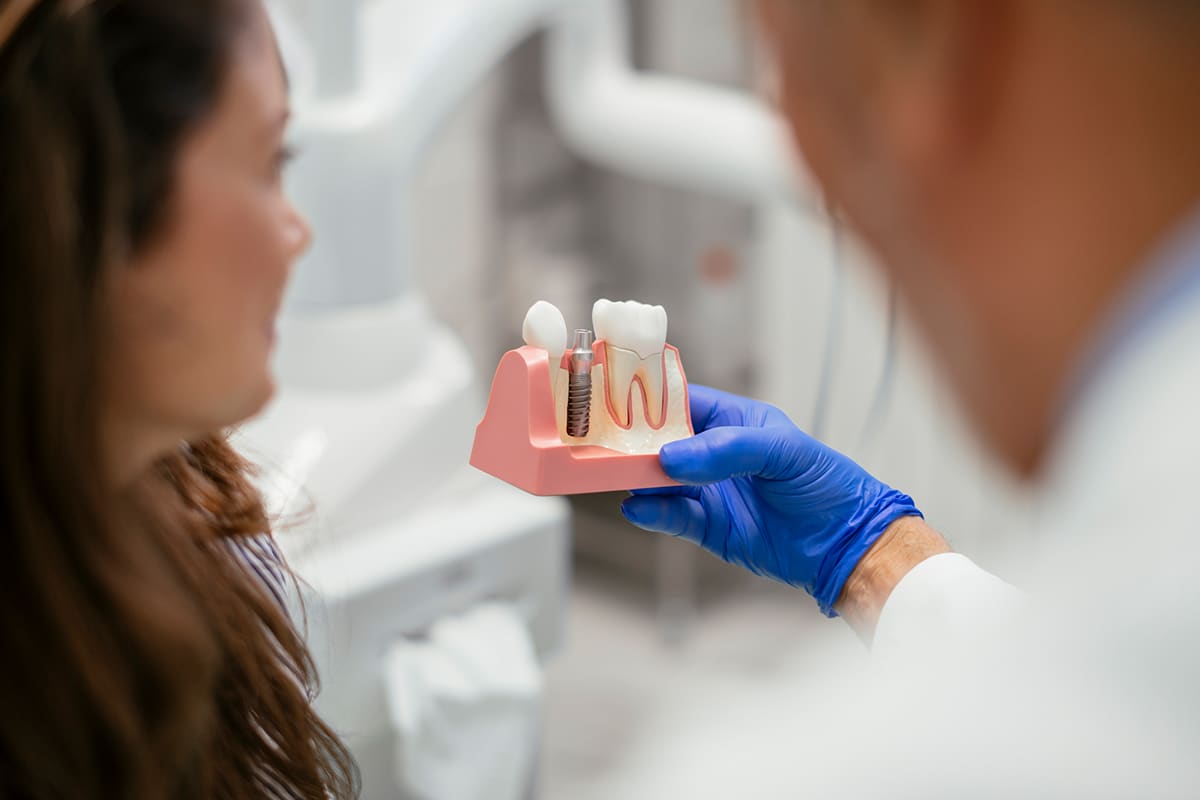
Getting dental implants marks a significant step toward restoring your smile and confidence. We know the surgery itself might feel like the biggest hurdle, but the recovery period plays just as vital a role in the success of your treatment. Your mouth needs time to heal so the implant can fuse securely with your jawbone—a process known as osseointegration. We want you to have all the information you need to navigate this healing phase smoothly and comfortably.
You can set yourself up for a successful recovery by following specific guidelines for rest, hygiene, and diet. We have compiled this comprehensive guide to help you know exactly what to do in the days and weeks after your procedure. By following these instructions, you lower your risk for complications and give yourself the best chance for a strong, long-lasting restoration. Let us walk you through the essential steps for caring for your new smile.
Managing Immediate Post-Operative Discomfort and Healing
The first 24 to 48 hours after surgery are critical for kickstarting your healing. You may experience minor bleeding, swelling, and discomfort, which are normal after oral surgery. Bite gently on the gauze packs over your surgical site to control any initial bleeding. Change these packs every 30 to 45 minutes until bleeding stops completely. Keep your head elevated with pillows when you lie down to help reduce bleeding and limit swelling.
Controlling Swelling and Bruising
Swelling usually peaks about two to three days after your procedure. To manage swelling, apply ice packs to the outside of your face near the surgical area for 15 to 20 minutes, then remove them for the same amount of time. Repeat this cycle throughout the first day to reduce inflammation. After 48 hours, switch to moist heat, like a warm washcloth, to soothe the area and encourage blood flow for healing.
Pain Management Strategies
You may notice some soreness once the anesthesia wears off. Take your first dose of prescribed or recommended over-the-counter pain medication before the numbness fades completely to stay ahead of discomfort. Always follow the dosage instructions we provide. Rest has equal importance: avoid strenuous physical activities, heavy lifting, or intense exercise for at least three days. Raising your heart rate too soon can cause increased bleeding or throbbing at the implant site.
Navigating Your Diet for Optimal Recovery
Your nutritional intake will directly impact how quickly and effectively your body heals. Chewing can be difficult right after you receive dental implants. You must protect your surgical site from trauma. During the first week, follow a cool, liquid, or soft food diet. Stay hydrated, but avoid using straws. Drinking through a straw creates suction that can dislodge the blood clot over your surgical site, which can lead to a painful condition called dry socket.
Foods to Enjoy
Eat nutrient-rich foods that require little or no chewing. Good nutrition gives your body the energy to repair tissue and fight infection. Stock your kitchen with these items before your surgery:
- Cool soups and broths: Make sure they are not boiling, because extreme heat can irritate your wound.
- Smoothies and shakes: Get plenty of vitamins, but drink them from a cup, not through a straw.
- Greek yogurt and pudding: Use these soft dairy products for protein and calcium without chewing.
- Mashed potatoes and scrambled eggs: When you feel ready for more substance, try these safe and satisfying soft options.
Foods to Avoid
Some textures and temperatures can jeopardize your implant’s stability during the initial healing period. Stay away from the following foods until we clear you:
- Crunchy or hard foods: Chips, nuts, and popcorn may lodge in your surgical site or injure your gum tissue.
- Spicy or acidic foods: Citrus juices, tomatoes, and hot peppers can sting and irritate your healing gums.
- Sticky foods: Taffy, gum, or caramel can get stuck to your surgical site or stitches.
- Alcohol: Avoid alcohol for at least a week, especially if you take prescription pain medication, because it can interfere with both healing and your medicine’s effectiveness.
Establishing a Safe Oral Hygiene Routine
Keep your mouth clean to lower your risk for infection and ensure your implant lasts. The surgical area needs delicate care. Do not disturb your sutures or the implant itself while you clean your teeth. The evening after your surgery, gently brush your other teeth, but avoid the surgical site completely.
Rinsing Protocols
Start rinsing the day after your surgery. Use a warm saltwater rinse three or four times daily, especially after each meal. Dissolve half a teaspoon of salt in a glass of warm water and gently swish it around your mouth. Do not swish forcefully; gentle movement will clean away food particles and debris. Hold the rinse in your mouth for a few seconds and let it dribble out, rather than forcefully spitting. Spitting too hard can create pressure that can disrupt healing.
Long-Term Hygiene Habits
As the site heals, you can gradually return to your normal brushing and flossing routine. We will let you know when it is safe to brush your implant directly. After your implant integrates and we place your final restoration, care for it just as you would your natural teeth. Plaque and bacteria can build up around implants and cause peri-implantitis—a condition similar to gum disease that can threaten your implant’s survival. We encourage you to:
- Brush twice daily with a soft-bristle toothbrush.
- Floss once each day to remove plaque from between your teeth and around the implant crown.
- Use interdental brushes or water flossers if we recommend them; these tools work very well for cleaning around implants.
- Attend regular check-ups so we can monitor your implant’s stability and the health of nearby bone and gum tissue.
Protecting Your Investment for a Lifetime
You only have to follow these restrictions for a short while, but you gain lifelong benefits. The initial days after surgery may feel limiting, but sticking to these guidelines helps you return to a normal life as soon as possible. Every patient follows a unique healing path, so listen to your body and let yourself rest as needed. By managing comfort, choosing foods wisely, and maintaining good oral hygiene, you help protect your new smile’s function and beauty for years to come. Our team stands ready to support you at every step, making your journey to a renewed smile as smooth as possible.
Frequently Asked Questions About Dental Implants
How long does the recovery process typically take?
Most patients feel ready to return to normal daily routines within a few days to a week after surgery. Soft tissue (gums) heals within about 2 weeks, which allows us to remove stitches if they do not dissolve on their own. The entire process for your jawbone to bond with the titanium implant—called osseointegration—takes three to six months. You will likely feel normal during this stage, but you must limit chewing pressure on the site so the bone bonds strongly with your implant.
What signs of infection should I look out for?
While proper aftercare usually prevents infections, you still need to know the warning signs for your safety. Contact us immediately if you run a persistent fever, notice increasing swelling after the third day, or experience throbbing pain that does not improve with medicine. Also, report any persistent bad taste or discharge from your surgical site, as these may signal a problem requiring prompt attention. Early detection lets us address any issues quickly without risking your implant.
At Thomas Blake, DDS, we specialize in restorative and cosmetic dentistry. We help patients in Santa Barbara regain confidence through healthy, functional smiles. Our staff takes pride in providing compassionate, expert care tailored to your unique dental needs. If you have questions about your recovery or want to learn more about implants, please call us today to schedule a consultation.