Life gets busy, and many of us let routine appointments slip through the cracks. While we might remember our annual physical or oil change, dental cleanings often fall to the bottom of our to-do lists. Many people think that pain-free teeth mean healthy teeth, but that approach fails to address problems before they develop. Regular dental cleanings play a crucial role in stopping oral health concerns from starting. Think of these visits as essential maintenance for one of your body’s most important systems.
We know it’s sometimes hard to tell when you’ve waited too long between appointments. Most people benefit from a check-up every six months, though some may need visits more or less frequently. Missing appointments gives plaque and tartar the chance to accumulate—and brushing and flossing at home can’t take care of everything. In this post, we’ll walk you through the most critical signs that signal you’re overdue for a professional dental cleaning. Recognizing these signals early lets you maintain a healthy smile and avoid more complicated treatments down the line.
The Six-Month Rule and Why It Matters
Check your calendar: if you haven’t been to the dentist in the last 6 months, you’re overdue for a cleaning. This recommendation isn’t arbitrary. Plaque, that soft, sticky film of bacteria, forms constantly on your teeth. While brushing and flossing clear away most of it, some stubborn spots linger in hard-to-reach areas. Plaque left on teeth for just one or two days hardens into tartar, also called dental calculus.
You can’t remove tartar with a toothbrush or regular flossing. Only a dental hygienist with specialized tools can safely remove it. When tartar builds up along the gumline, your gums become inflamed—a condition dentists call gingivitis. Ignoring gingivitis can lead to advanced gum disease (periodontitis) and tooth loss. Scheduling a cleaning every six months breaks this cycle, removing tartar before it causes lasting damage. These appointments reflect the heart of preventive dentistry: preserving your teeth for life with regular care and vigilance.
Visible and Physical Signs You Shouldn't Ignore
Your body signals oral health issues in clear, sometimes dramatic ways. Pay attention to these signs, even if it hasn’t been a full six months since your last cleaning, and schedule your appointment sooner if needed.
Signs to Look For
- Persistent Bad Breath (Halitosis): Even after brushing, flossing, and rinsing with mouthwash, persistent bad breath may indicate bacteria or gum issues. Bacteria thrive in lingering plaque and tartar.
- Bleeding Gums: Healthy gums shouldn’t bleed when you brush or floss. If you see blood, you’re likely experiencing gingivitis. Your body uses inflammation to fight bacteria in plaque along your gumline. Schedule a cleaning to clear the irritants and restore gum health.
- Swollen or Tender Gums: Pink, firm gums fit snugly around your teeth. If yours feel sore, look red, or swell, you likely face gum inflammation that needs attention from your dental team.
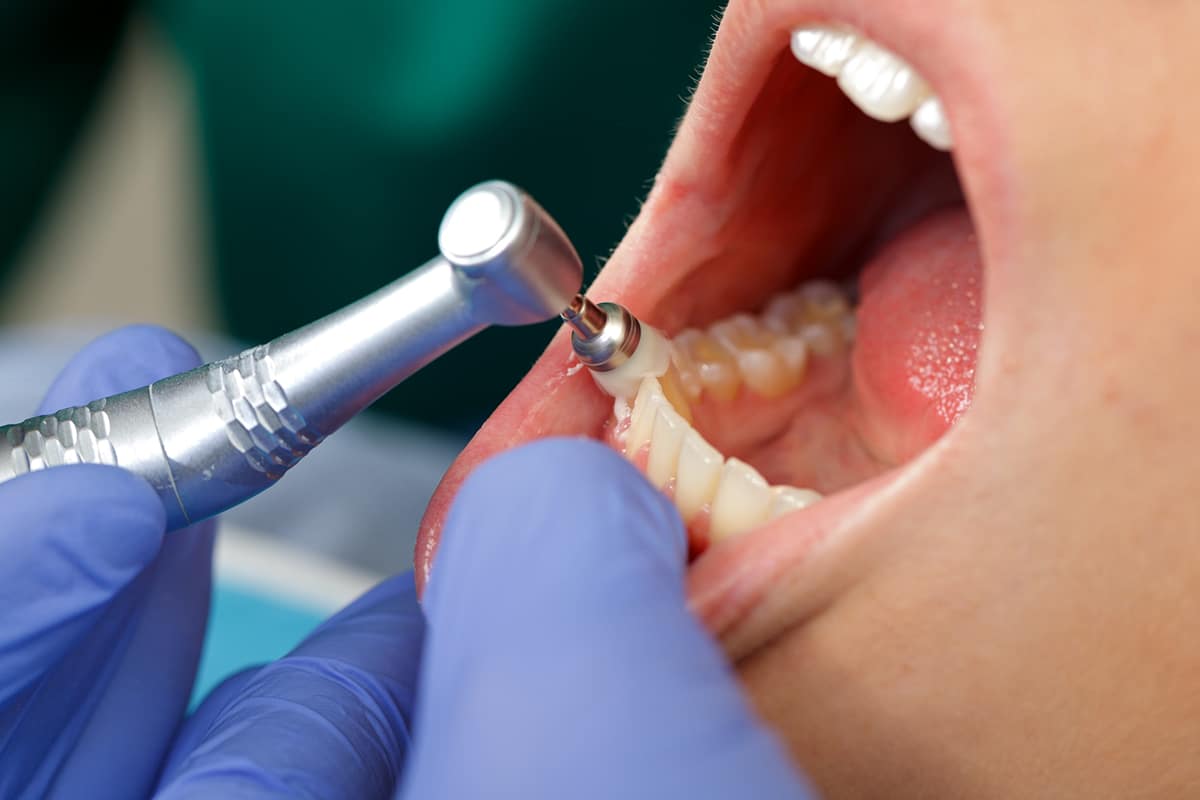
- Tooth Discoloration or Stains: While coffee, tea, or wine can naturally stain your teeth, a stubborn yellow or brown tint usually means you’ve let plaque and tartar build up. You’ll notice your teeth look and feel cleaner and brighter after a professional cleaning and polish.
- Tooth Sensitivity: Pain from hot, cold, or sweet food and drinks often comes from gum recession or other problems. When plaque and tartar cause your gums to pull back, they expose sensitive areas of your teeth.
- Rough Feeling on Teeth: Run your tongue across your teeth. If they feel rough or fuzzy rather than slick and smooth, you’re likely feeling a layer of plaque that needs to be removed.
Don’t dismiss these warning signs as merely cosmetic. They signal changes in your mouth’s health and can spiral into more serious conditions if you ignore them. Dental hygienists can address these problems during your visit and help you adjust your brushing and flossing routine for even better prevention.
Don’t Wait for Pain to Be Your Guide
Pain often marks the late stages of a dental problem. When you feel a toothache, the situation might have already moved beyond a simple fix. For example, a cavity may not hurt until the decay breaks through the enamel and reaches the sensitive dentin beneath. At that point, a filling probably won’t solve the problem—you may face a crown or root canal instead. Gum disease works similarly. You won’t feel it in the early stages. Only when your teeth loosen and your gums hurt has the damage already reached the supporting bone.
To help you avoid pain and complex treatments, we focus on prevention during regular cleanings. Every appointment includes a thorough oral exam. We check for cavities, examine your gums, screen for oral cancer, and assess your jaw and bite. We can take X-rays to spot hidden problems between your teeth, evaluate your wisdom teeth, or check for early bone loss.
When you think of dental check-ups as preventive, not reactive, you save yourself discomfort, time, and money. Taking care of minor problems now keeps them from growing into painful, costly emergencies down the road.
Schedule Your Next Dental Cleaning Today
Your oral health shapes your overall well-being. Whether you notice calendar reminders, bleeding gums, or bad breath, it’s time to take action. Schedule regular visits and stay proactive about your care. Only a professional cleaning removes hard tartar and gives your teeth that smooth, fresh-from-the-dentist feel. Take the opportunity to confirm your mouth’s health and receive advice to keep your smile strong for years ahead. If you see any of the signs we’ve discussed or just can’t remember your last cleaning, now is a great time to book your next visit.
Frequently Asked Questions About Preventive Dentistry
Is a professional dental cleaning essential if I brush and floss every day?
Absolutely. Even if you keep up a great brushing and flossing routine, some plaque remains in hard-to-reach spots, such as tight spaces between your teeth or just below the gumline. Over time, this plaque hardens into tartar. Only professional cleaning tools can remove tartar and help you prevent gum disease and cavities.
How often should I get my teeth cleaned?
Most people benefit from a dental check-up and cleaning every six months. Some people—like those with a history of gum disease, frequent cavities, diabetes, or tobacco use—may need to come in more frequently, such as every three or four months. We can recommend a cleaning schedule that fits your individual needs and keeps your smile in top shape.
We serve patients throughout Santa Barbara, CA, and the surrounding communities, offering a full spectrum of dental care. At Thomas Blake, DDS, we use advanced technology alongside personalized attention to help you and your family achieve excellent oral health. If you’d like to learn more or schedule your next appointment, please contact us.